Considering synthetic meat comprehensively as a remarkable phenomenon in the food industry, one cannot overlook the advantages and disadvantages of this product. In this article, we will delve into all the negative aspects of lab-grown meat and discuss the key benefits that attract consumers, inspire producers, and attract investors.
What is cultured meat?
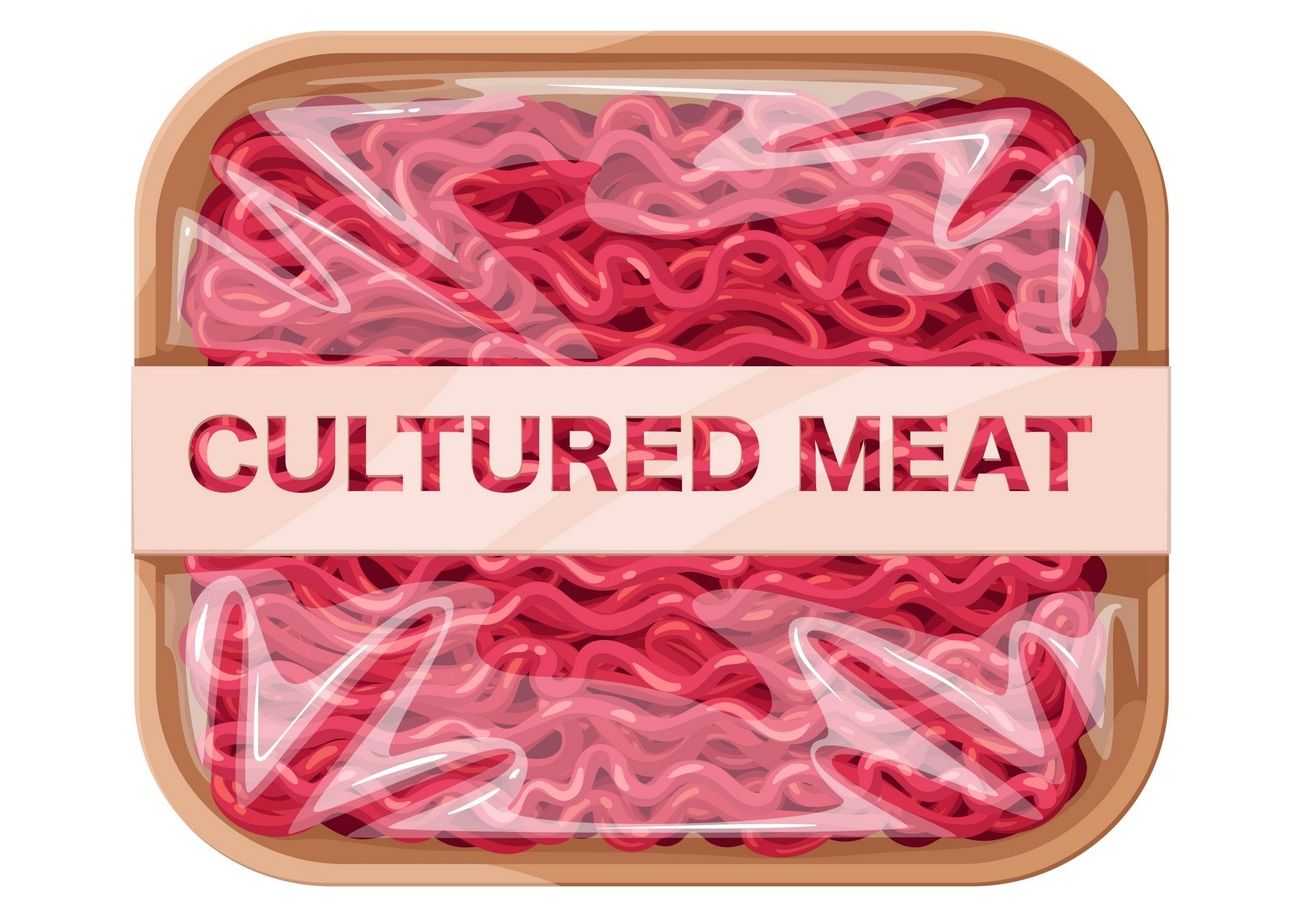
This alternative source of protein is cultivated through the method of cell reproduction, obtained in a humane manner from an animal. Lab-grown meat is produced in specially controlled environments—containers where, along with the initial cells of the animal, nutrients, water, and other ingredients necessary for effective reproduction are added. The outcome of this technologically intricate process is meat products of various shapes, which may outwardly resemble chicken fillet or ground meat.
The synthetic muscle tissue, constituting the main part of the entire product, mirrors traditional ones in terms of chemical composition. It is an exact replica, resulting in an almost identical taste and structure, providing a comparable culinary experience.Our website is dedicated to cultured meat and offers comprehensive articles on all topics related to production, consumption, safety, sales, companies, and more. The article “Lab-Grown Meat: An Innovative Step Towards The Future Of Nutrition” provides in-depth information on this type of alternative protein.
How is lab meat produced?

The process of manufacturing (growing) meat in the laboratory involves several key stages, briefly explained below:
Biopsy (Isolation). Collection of Animal Material
This painless procedure, also known as biopsy or isolation, involves gathering a small amount of muscle cells from living animals like cows, chickens, or pigs. Stem cells, capable of developing into various specialized cell types, including muscle, fat, and connective tissue, are extracted during this phase.
Expansion. Cell Reproduction
This is the direct process of growing cruelty-free meat under ideal conditions for efficient growth. Conducted in a sterile laboratory environment, stem cells are placed in large tanks called bioreactors, which contain culture media mimicking the conditions found in an animal’s body. This medium provides the necessary nutrients for cell reproduction.
Differentiation
The controlled environment is adjusted to enable stem cells to differentiate into the three main components of meat: muscle, fat, and connective tissue. Each type of cell is grown separately, and in the final stage—formation, assembly, and scaffolding—these cells are arranged to produce the desired type of in vitro meat.
Assembly (Scaffold)
The scaffold, the final edible material, supports the organization of meat cells into the desired shape, such as a steak or ground meat. This framework not only holds cells together, but also facilitates nutrient transport and further differentiation.
While this description provides a simplified overview of the cultivation process, we recommend reading a more detailed explanation in our separate article titled “How Artificial Meat Is Made” or watching a video on this topic on our website.
We intentionally commenced the article with a description of the rearing process to underscore the primary positive factor: alleviating animals from suffering, both in their upkeep and during slaughter. All other advantages are built upon this foundation, and opponents of this product often attempt to manipulate this aspect. Let’s delve into a closer examination of the advantages of lab-grown meat.

11 Advantages of cultured meat
The number of positive aspects is remarkable. Unprepared minds are left in indescribable shock, witnessing a new trend seamlessly integrating into modern life with no intention of slowing down. Cell cultured meat production is on the rise each year, technology is advancing, the cost of the final product is rapidly decreasing, and people are increasingly exposed to the concept of laboratory-grown chicken, pork, veal, and even fish.
1. Ecological Stability
Traditional meat production is resource-intensive, contributing significantly to environmental issues such as greenhouse gas emissions, water and land use, and deforestation. Synthetic meat production has the potential to significantly mitigate these impacts, as it requires fewer resources and generates fewer emissions.
2. Animal Welfare
In vitro meat production eliminates the need for raising and slaughtering animals, offering a more humane alternative to traditional methods. The sheer scale of animals slaughtered daily for meat production is staggering, and production in a controlled environment is entirely painless, sparing living organisms from suffering. This stands out as the primary and most significant advantage of cell cultured meat, overshadowing other drawbacks with its peaceful, slaughter-free production.
3. Health Care
Traditional meat production poses risks of spreading diseases like avian and swine flu, as well as antibiotic-resistant bacteria. Bioengineered meat production not only reduces the risk but eliminates it altogether, as it occurs in a meticulously controlled environment. A sterile setting provides maximum protection against microbes, bacteria, and fungi. Common concerns associated with meat consumption, such as foodborne illnesses and allergic reactions, disappear when consuming meat grown in a lab. While extensive research data is still evolving, cell-based meat is deemed ideal and beneficial for human health.
4. Food Security
The global demand for meat is projected to grow with the expanding population, and traditional production methods may struggle to meet this demand. Current research indicates that by 2050, traditional production methods may be unable to cope due to resource limitations. People may either reduce meat consumption or completely abandon it in the coming decades to address the scarcity of land, water, and other resources.
The continuous growth of lab cultivated meat production holds promise for a more sustainable, humane, and secure future in the realm of food consumption.

Lab-grown meat production has the potential to address hunger by offering a scalable and sustainable alternative to traditional meat production. While the laboratory industry currently holds a relatively small percentage share, the efficiency of these companies is expected to increase over time, reaching a level that facilitates scaling and rapid expansion of cultivation volumes. As advancements continue, cultured meat could play a crucial role in meeting global food demand and contributing to the alleviation of hunger issues worldwide.
5. The Nutritional Value of lab-grown Meat
Cultured meat can be tailored to include specific nutrients and ingredients, offering increased amounts of vitamins and minerals. This allows the creation of individualized meat products catering to the special dietary needs of various population groups. The fully controlled growing process enables the final product to have a predetermined chemical composition, balancing water content (up to 70% in meat), protein, and fat. This opens up possibilities for creating products that consider an individual’s taste preferences, genetic predispositions, allergies, and more. We stand at the threshold of discovering unique laboratory products that not only taste good but also perfectly meet the body’s needs for healthy, nutritious food. While this might be unsettling for some, many scientists are optimistic about a future where in vitro meat forms the basis of alternative proteins, gradually replacing traditional nutrient and energy sources for humans.

6. Taste and Consistency
Cell cultured meat can replicate the taste and texture of traditional meat, appealing to consumers interested in plant-based or alternative protein sources. Most bioengineered meat tastings confirm its extraordinary taste characteristics. While replicating the intricate texture of a beef steak remains challenging, creating delicious nuggets or burger patties is relatively easy. Laboratory meat, being the same combination of muscle tissues as in a living animal, doesn’t need imitation. The protein cells reproduce differently—either growing on an animal or in a controlled environment inside a nutrient-filled container.
7. Cost of Meat Grown in a Lab
As technology improves and production scales up, the cost of cell-based meat is expected to decrease, making it more affordable and accessible to consumers. From the first cruelty-free meat burger costing $250,000 in 2013, the price has significantly decreased, with a kilogram now priced at around $21 at the beginning of 2024. It’s logical to anticipate even more affordability in the coming decade.

8. Green Light for Vegetarians and Vegans
Vat-grown meat, produced without slaughtering animals and with painless cell collection, provides an ethical option for vegetarians and vegans. This innovation aligns with the principles of those who choose to abstain from traditional meat due to concerns about violence against animals in farming. Unlike traditional animal husbandry, cultured meat is produced in a peaceful context, offering vegetarians and vegans a guilt-free alternative with identical taste and chemical properties.
9. Cultivation Efficiency
Traditional animal husbandry has a substantial environmental impact, contributing to over 13% of global greenhouse gas emissions, methane emissions, and pollution of air and water.
In contrast, lab-grown meat production addresses these issues, requiring smaller production areas, emitting no greenhouse gases, and causing no air or water pollution. This efficiency makes it an environmentally sound and sustainable alternative to traditional meat production.

10. Diet Product
Lab-grown meat has the potential to be extremely lean, possibly without a single fat cell. The controlled chemical composition allows for the creation of an ideal meat product that is not only pleasing to the taste, reminiscent of ordinary meat, but also free of harmful extra calories. Embracing a diet with cultured meat becomes a delightful and pleasant experience.
Despite myths suggesting potential health concerns, numerous studies, tastings, and experiences from manufacturing companies affirm that synthetic meat poses no threat to humans.
It is an absolutely identical product in composition, consisting of ordinary muscle tissue that have multiplied in a conducive environment for cell division. Finding meat with minimal fat content may require some effort and may cost more, but it offers a unique opportunity to enjoy a dietary steak without fat cells.

11. Alternative Protein, Choice
The production of lab-grown meat does not aim to completely replace traditional methods, recognizing the limitations in the near future. Instead, it opens the door to choice and conscious decision-making for individuals.
Cultured meat becomes an additional option on store shelves, allowing buyers to decide what to cook for dinner, be it steak from a farm calf, goulash grown from veal cells, or vegan meatballs made from a vegetable substitute. The alternative protein industry seeks to provide more options to meet the diverse needs of consumers, aligning with the mission to help eliminate hunger.
Growth of Meat Consumption in the World
The impressive growth rate of meat consumption worldwide raises important questions about sustainability. The demand, influenced by technological advancements in process automation, efficiency improvement, and synthetic inputs, is reaching a point where the planet may struggle to sustain further animal growth.
Considering the ecological, ethical, and health challenges associated with traditional farming, investing in alternative protein, including cell cultured meat production, becomes a logical consideration.

Despite potential financial challenges and acknowledged disadvantages in 2024, the significant advantages highlighted in this article prompt us to continue this movement for a better future. It’s about envisioning a world where future generations, inevitably facing issues of hunger and limited, complex nutrition, have viable alternatives.

Indeed, the pressing concerns of ecology, planetary pollution, animal suffering, antibiotic use, diseases, the risk of poisoning, and deforestation for farms underscore the importance of exploring and investing in alternatives. The potential benefits outweigh the challenges, urging us to think progressively for the well-being of both our planet and future generations.
14 Disadvantages of Lab-Grown Meat
1. Cost
Presently, the costs associated with cultured meat production exceed those of traditional animal husbandry, rendering it less affordable for many consumers. However, observing the trend of price reduction suggests progress, anticipating further decreases in both production costs and market prices. Despite the current disadvantage in affordability for the general consumer, lab-grown meat holds intrinsic value for those who prioritize quality food products, appreciating its cleanliness and the absence of suffering and violence inherent in traditional farming practices.
2. Taste and Consistency
Some individuals may find in vitro meat less appealing in taste and texture compared to conventional meat. Public tastings indicate that cultured meat products may lack the juiciness, veins, and necessary fat content found in traditional meat. For those who relish the experience of juicy beef or crispy bacon, current cell-based meat may not suit their preferences, as it is perceived as too fresh and lacking the genuine taste of traditional one.
3. Nutritional Value of lab cultivated Meat
Cultured meat may not contain all the same nutrients as traditional meat or may have varying nutrient amounts, potentially leading to deficiencies if consumed in large quantities. While this is a current reality, the cultivation industry continually evolves, actively addressing and resolving issues to overcome significant shortcomings. As of now, traditional meat nutrition holds an advantage.

4. Impact on the Environment
Debates surround the environmental friendliness of lab-grown meat compared to traditional animal agriculture. Some argue it has the potential to be more eco-friendly, while others emphasize that its production requires substantial energy and resources, potentially leading to negative environmental consequences.
Currently, no comprehensive studies provide conclusive evidence, and the industry’s goal is to address such concerns, making this potential shortcoming less relevant in the future.
5. Ethical Concerns
Ethical considerations surround vat-grown meat production, particularly regarding the use of animal cells or other biological materials. Opponents assert that cultured meat is akin to cloning, challenging its alignment with human values and a balanced worldview. Ethical beliefs and strong convictions lead many individuals to abstain from tasting this product, emphasizing the need for a clear, categorical stance against bioengineered meat consumption.
6. The Factor of Culture, Religion, and Traditions
Some people may not want to try cultured meat for cultural or religious reasons. In many countries, the use of food occupies an important place, so innovations do not take root and are often perceived as something that threatens the existence of culture in general, contradicts the religious rules of a particular region.
If lab-grown meat can be sold in the US on the basis of a free market and approvals from the FDA, then the countries of Asia, the Middle and Far East are unlikely to make concessions so easily, considering this product indecent for consumption and introducing it into the general agenda.
Religious objections to the use of cultured meat may stem from different beliefs and principles inherent in different religious traditions. It is important to note that views on this topic can vary greatly in individual religious communities.
Many religions have special dietary laws or guidelines, such as kosher in Judaism or halal in Islam. These regulations often dictate how animals are slaughtered and processed for consumption. Lab-grown meat may not conform to these traditional practices, causing concern among those who adhere to such dietary laws.
Some religious perspectives emphasize the belief that humans have been given dominion over the earth and its creatures. Some individuals in these faiths may argue that cell-based meat interferes with the natural order established by their deity because it involves scientific intervention in the process of creating and consuming food.
Religions often teach respect for all life forms. Some people may question whether lab-grown meat, even if it does not involve raising and slaughtering animals, still raises ethical concerns about the manipulation and creation of life in a laboratory setting.
Food is often deeply connected to cultural and traditional practices in religious communities. As a relatively new and unconventional concept, lab-grown meat can be seen as a departure from ancient culinary traditions and values related to food preparation and consumption.
7. Health Hazard, Research
Safety concerns surround cell cultured meat as a relatively new and unproven technology. Manufacturers must ensure its safety before widespread availability. The long-term health effects of lab-grown meat remain unknown, as traditional meat consumption has been observed for centuries, while artificial meat has only been in existence for a few years. Ongoing monitoring and research are crucial to understanding the long-term safety of lab-grown product.

8. Technological Complexity of Growing Meat from Cells
The process under laboratory conditions involves intricate technology. Maintaining optimal conditions for cell growth and ensuring the development of muscle tissue to replicate the texture and taste of normal meat is an exceptionally challenging task.
It’s not without reason that a substantial reduction in the cost occurred over a decade. The technology underwent improvements, considering numerous crucial factors.
Some optimists anticipate that within a couple of decades, just like other appliances such as computers, microwave ovens, and ironing machines, anyone will be able to afford a home meat incubator. Innovations continue to progress, but, for now, the cultivation of cruelty-free meat remains an extremely complex process. It’s only feasible under specific conditions, with the utilization of both a robust technical infrastructure and skilled personnel.
9. Regulatory Approval
The regulatory landscape for lab-grown meat is still in flux, and securing approval for commercial production in various regions can be a protracted and intricate process. Indeed, as of the beginning of 2024, despite numerous positive reviews and high demand, facilitating the unrestricted production and sale of cultured meat remains a formidable challenge. The situation is particularly challenging in the European zone, where the approval process by regulatory authorities can span several years.
The multitude of details to consider, coupled with the industry’s constant evolution, results in ongoing changes in terms, technologies, and the final product. It’s plausible that countries worldwide may refrain from embracing vat-grown meat until the moment a highly profitable and comprehensible product is invented, ultimately addressing all aspects of the matter.
10. Dependence on Fetal Bovine Serum (FBS)
In the early stages of lab-grown meat development, dependence on fetal bovine serum (FBS) for cell culture raised animal welfare and sustainability concerns. Although efforts are made to reduce this dependence, it persists to some extent. Opponents often highlight this reliance on FBS in debates as a significant shortcoming in the development of lab-grown meat.
11. Destruction of Livelihoods, Displacement of Animal Husbandry
The widespread adoption of lab-grown meat has the potential to disrupt the traditional livestock economy. Farmers and workers engaged in cell-based meat production may encounter challenges when transitioning to new forms of agriculture or seeking alternative livelihoods.
This stands out as one of the most significant drawbacks and, simultaneously, a concern for farmers: the monopolization of the market, a mass shift towards cultivating meat in laboratories, a decline in demand for traditional products, and a natural reduction in income, leading to unemployment.
However, this downside appears daunting only on paper; in reality, the traditional animal husbandry sector is not an imminent threat to the lab cultivated meat industry. The rapid development of the industry could be facilitated by substantial changes both in legislation and in public attitudes. Such large-scale changes are unlikely to occur simultaneously and swiftly. Progress will unfold gradually, taking into account the interests of different segments of the population, including farmers.

12. Limited Assortment
Current lab-grown meat products primarily focus on recreating specific types of muscle tissue, such as ground beef or chicken nuggets. Reproducing more complex meat structures, including whole pieces with bones, veins, fatty tissues, and skin, remains challenging and unattainable for laboratory cultivation.
13. Potential for Monopoly
As lab-grown meat technology advances, concerns arise about a few large companies gaining significant control over the market, potentially leading to monopolies and limiting competition. The threat to small businesses remains uncertain, with both entrepreneurs and industry leaders actively contributing to technological improvements.
14. Lack of Evidence Base
Considering the price disparity between conventional and lab-grown samples, what prevents companies or small business owners from presenting conventional meat as cultured meat? Currently, there is no labeling or confirmation of the meat’s origin, and consumers essentially have to take their word for it. While manufacturers have an interest in enhancing their products and it’s improbable that most of them would resort to misleading practices, there’s no guarantee that, amid the rapid growth of the artificial meat market, other entrepreneurs won’t exploit this loophole to profit from trust.

Conclusions
These challenges are actively addressed by researchers and companies in the field, and technological advancements may mitigate or resolve some drawbacks over time. In evaluating lab-grown meat, potential benefits, such as reduced environmental impact and ethical considerations, should be considered comprehensively.
The bold step towards alternative protein sources in a world experiencing a rapid increase in animal product consumption highlights the importance of exploring and understanding the multifaceted aspects of cultured meat.
The given list of positive points and disadvantages is just a glimpse into this mysterious and intriguing world, inviting exploration and critical examination of the technology’s implications for the future of our planet.

- GOOD Meat - December 22, 2023
- Landmark Approval: Lab-Grown Meat Sales Greenlit in the USA for the First Time - December 22, 2023
- Eat Just, Inc (JUST Egg) - December 21, 2023
I really like what you guys tend to be up too. This kind of clever work and exposure!
Keep up the excellent works guys I’ve added you guys to our blogroll.
It’s perfect time to make some plans for the future and it is time to be happy.
I’ve read this post and if I could I desire to suggest you
few interesting things or advice. Perhaps you could write next articles referring to this article.
I desire to read even more things about it!
As a regular Joe, my apprehension is two fold. First, as stated in the article, some nutrition is lacking. But that’s being worked supposedly. The second and much more ominous thought goes to this last “trust the science” debacle of covid. Trust in science now faces much stiffer scrutiny. That combined with some like Bill Gates talking about introducing MRNA to livestock to ensure everyone gets the covid vacs (which isn’t even a true vacs) make science grown meat particularly spooky. Lab grown meat I’m not so scared of. What they can do to it is spooky as hell. If there was regulation that if any undisclosed “additions or functionality” were added then that would be an irreversible and fast death penalty for all involved I would be more likely to buy into it. Anything consumers put into their body should have very tight regulations and absolute penalty for anyone breaking that trust.